What Impact did CFYE Achieve in 2025?
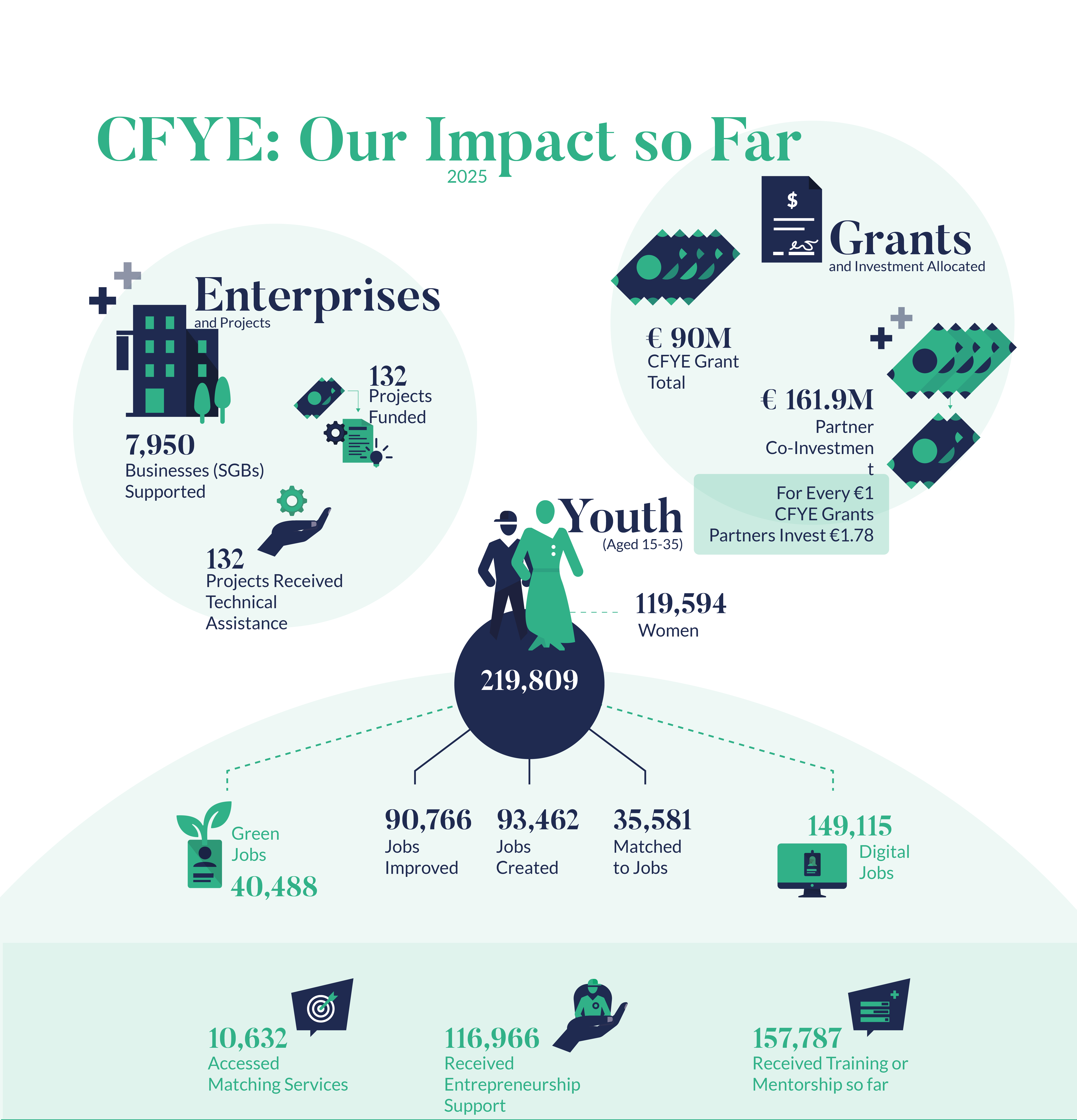
Since its inception in 2019, CFYE has supported 132 unique projects, selected through six country Calls for Solutions, two Top-Up Calls, and one Thematic Call (Scalable Employment Models, SEM). Together with the CFYE Local and Central teams, Implementing Partners (IPs) co-create their Theories of Change and Results Frameworks, which include agreed job targets.
Presently, the Fund supports 57 unique projects still in implementation stage, among which 23 received a top up grant to continue activities. As of December 2025, across all 11 countries of operation, 75 projects completed their activities including 44 projects that closed organically and concluded their contract. Notably, in the summer of 2025, Burkina Faso became the first country to finalise all activities and close out all the projects in the portfolio.
In its final phase, CFYE will have a strong emphasis on sustaining progress across ongoing initiatives, while remaining fully aligned with the overarching objectives of the Fund. So far, the Fund awarded all its projects a combined amount of 90 million Euro, whereas by the end of 2025, our calculations show that co-funding raised by all projects is 161.9 million Euro. Some of our IPs attracted an additional funding of 38.8 million Euros from other funders during implementation, of which 30 millions were raised thanks to the partners’ affiliation with CFYE.
By the end of 2025, CFYE-supported projects created a total of 219,809 employment opportunities for youth, with 119,594 positions filled by young women (54.4%).
CFYE recognises three main pathways to youth employment: creating new jobs, matching young people to existing opportunities, and improving the quality of their current jobs. These three categories (create, match, and improve) constitute CFYE’s overall outcomes, and together they form the main impact metric. Of those 219,908 jobs, 93,462 were newly created opportunities, 35,581 were matched, and 90,766 improved.
In addition to these results, 67,392 jobs were generated for individuals aged 36 and above, who are outside the Fund’s target demographic and therefore not included in programme objectives or cumulative achievements.
When evaluating the 2025 outcomes against the 2025 cumulative targets (252,267), the Fund has achieved 87% of its projected job totals. If disaggregated by gender, the results related only to young men were almost in full alignment with the target (99% achievement).

2025 Achievements

Create
Around 50% of the overall jobs planned by CFYE belong to the ’create’ category, which refers to the number of young people who gain employment as a result of newly generated decent work and income opportunities.
In 2025, IPs contributed to creating 93,462 jobs for youth, 53,931 of which were for women (57.7%), with more than half being waged jobs. These roles include both permanent and temporary waged positions, ensuring income stability and opportunities for career progression.

Match
Of the overall jobs planned in the CFYE portfolio, 15% are ‘matched’ jobs. CFYE-supported projects belong to the match category when their solutions are designed to connect young women and men to existing paid employment opportunities through CFYE-supported skills development, career or matchmaking services, and digital platforms.
Through these efforts, in 2025, IPs following a match pathway contributed to a total of 35,581 young people being successfully matched to jobs. Of these, 18,410 positions were filled by women, representing 51.7% of all jobs in this category.

Improve
Around 38% of the overall jobs planned by CFYE are considered ‘improved’ jobs. Job improvement occurs when young people experience a significant enhancement in the quality of their current employment, reflecting meaningful progress in areas such as earnings, job security, or working conditions.
In 2025, the Fund was able to improve 90,766 jobs, 47,253 (52.1%) of which were for women, demonstrating CFYE’s commitment to advancing decent employment opportunities, especially in vulnerable sectors.


Valuable lessons
Together with our partners, we have gathered valuable lessons about how to deepen our impact, how to grow and evolve Fund operations efficiently and effectively, how to define decent work and measure employment quality, how to engage young people in our decision-making, and how to strengthen the evidence base for future programs.
Defining and Measuring Decent Jobs
Learning Brief: Job Quality & Decency
We can’t focus on job creation without job quality. To determine which jobs would be “good enough to count”, we first developed minimum standards and a scoring rubric. However, when we tried to operationalise these tools, we faced challenges, especially in measuring and applying a living wage benchmark. The living wage is a gold standard that all employers should aim for, but its value varies considerably in different contexts and can be difficult to calculate and monitor. Furthermore, in many of the contexts where we work, most workers do not earn a living wage, making it unrealistic as a universal minimum standard for CFYE. This especially holds for self-employed, part-time, or gig workers.

The world of work is also changing, and employment standards are still catching up. Some countries have recently updated minimum wage regulations, while others haven’t been updated in decades. In addition to wages, other aspects, such as work-life balance, job security, and opportunities for development, are also crucial for youth. Given the variation in labour standards by country and the diversity of jobs in our portfolio, we realised that our decent work threshold needed to be revisited. Therefore we evolved our strategy, splitting the concept between decent work standards (defined by ILO’s four core labour standards and applicable to all CFYE-supported projects and jobs) and the CFYE’s job quality improvement framework – for projects aiming to improve broader aspects of job quality (wages, working conditions, job security). This new approach enables us to uphold universal minimum standards for decent work while also accommodating contextually-relevant definitions, interventions, and measurement approaches focused on enhancing job quality. These efforts are informed by local labour laws, sector-specific standards, and/or the valuable perspectives of youth regarding what truly matters.
Meaningful Youth Participation & Social Impact
Learning Brief: Meaningful Youth Participation
CFYE strives to create employment opportunities for underserved youth, particularly young women, who often face underemployment and poor working conditions. Through scoping research, we identify these underserved youth and design projects to reach them.
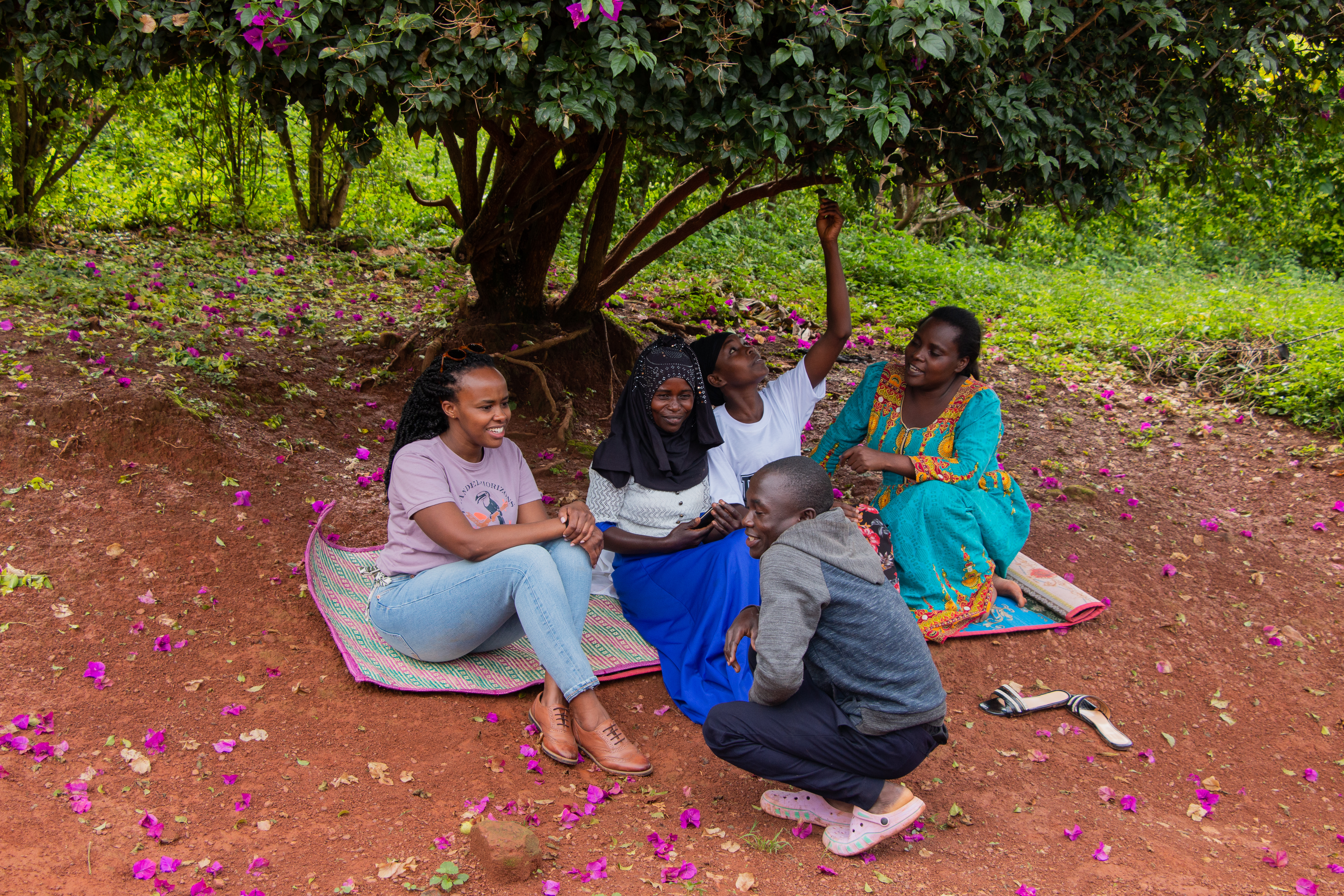
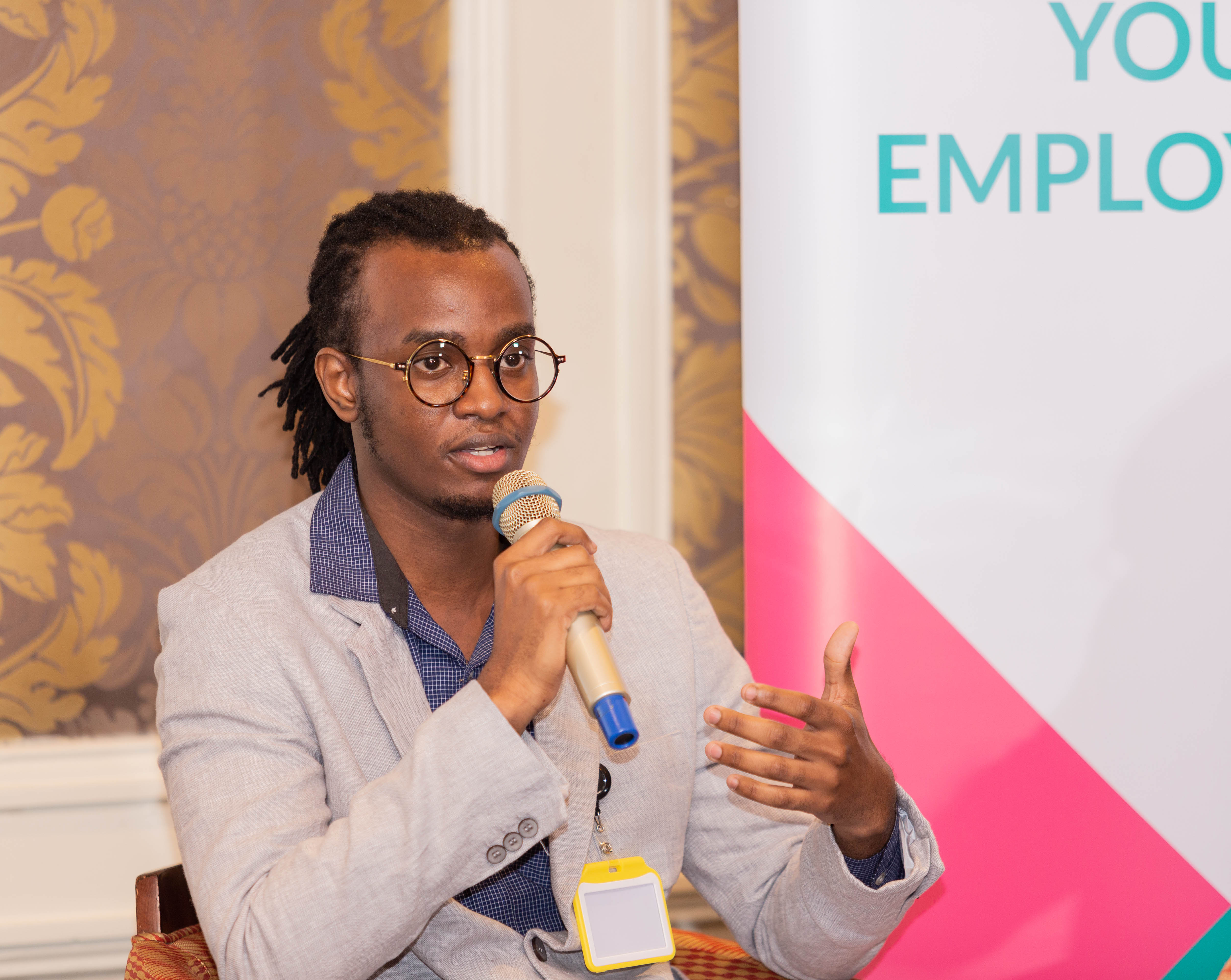
We have taken a frontrunner role in embedding Meaningful Youth Participation (MYP) in its private sector-driven work. To support our partners in understanding and contributing to youth’s actual needs and aspirations, we piloted a youth-led approach via “youth champions”: one-year national volunteers whose mandate is to bring a youth perspective across CFYE and partners using youth-friendly methods. These youth champs conducted youth-action research and helped shape some of the CFYE’s key activities. Based on the success and learnings of the 2021 Youth Champs pilot, the CFYE Youth Champs initiative was scaled-up and formalised in 2022.
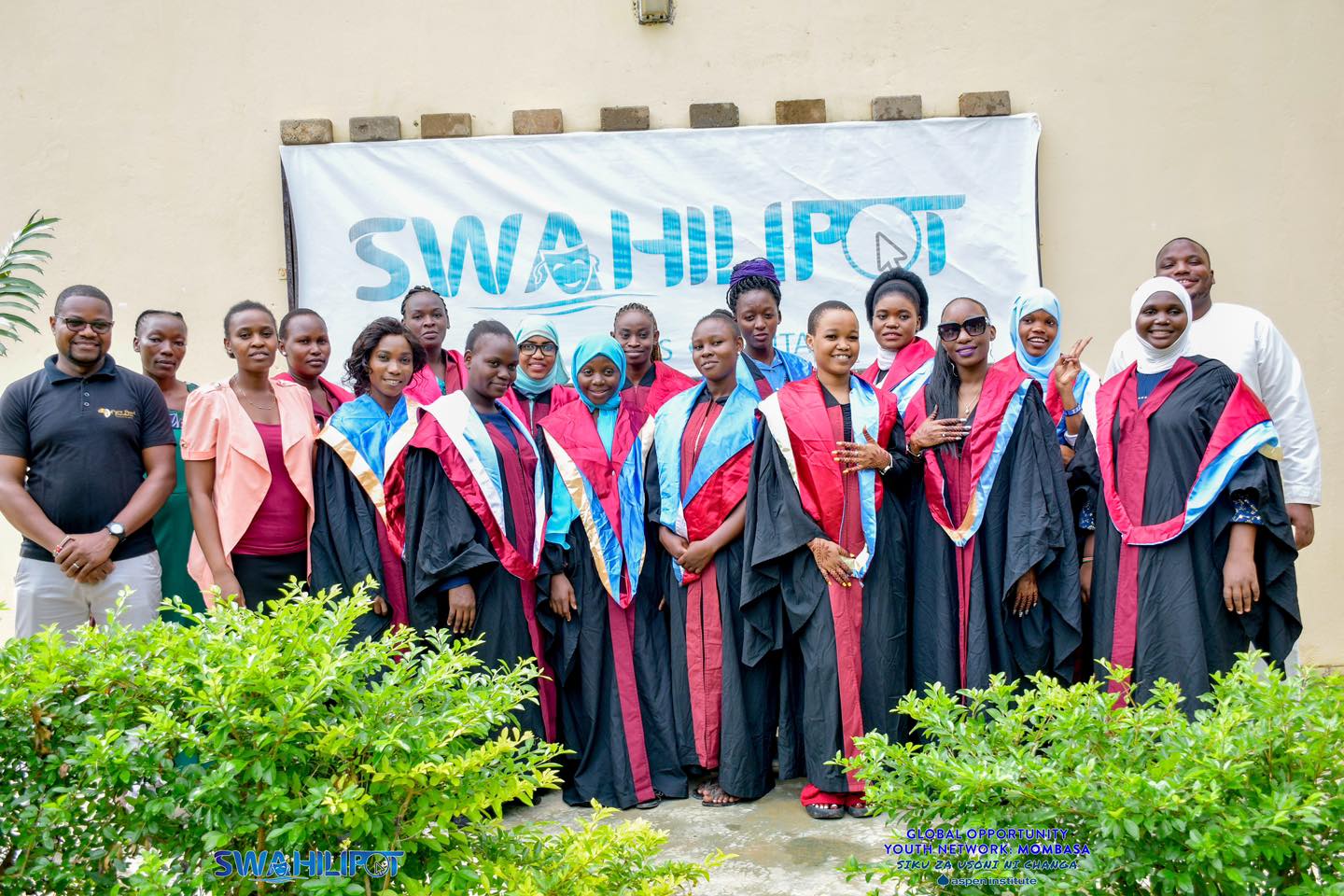
In addition, 16 Youth Champions and 4 Youth Experts from Kenya, Uganda, Nigeria, and Ethiopia were engaged as in-house experts in 2022. The network creates a win-win situation for both CFYE and Youth Champs, benefiting from the youth perspective while supporting the personal and professional development of the Youth Champs.
Tool for youth champions
In addition to engaging designated youth champions, we also designed and tested a self-assessment tool for our partners to discover how to better integrate a youth and gender lens in their businesses. It is framed around three components: attracting, selecting, and retaining youth talent, and includes specific building blocks, including marketing and community-based outreach, youth-inclusive recruitment, young professional development opportunities, peer networks, gender-inclusive practices, and youth-led benefits. Based on scoring in the matrix, partners may adapt their projects to improve their youth and female focus.
Our Delivery Model
Our Delivery at Scale initiative focused on three priority areas: strategic alignment, operational efficiency and practical integration. Through a thorough diagnostic and consultative process, the CFYE’s organisational structure was revamped, and a dedicated Fund Management team was established.
Country teams are empowered to be the strategic drivers of the Fund’s and country-specific strategies, and in-country service delivery with active support from the central team. At the Central Level, each workstream actively supports country delivery, guided by their mandate and objectives, through the Integrated Delivery Model.
This delivery model continued to be successful thanks to the close collaboration between workstream representatives (Fund Management, Technical Assistance, and MEL) and the Country teams. This proved very supportive for the IPs as well, who benefited from better communication lines. Within the CFYE team, the flow of information and decision making was also strengthened by establishing regular Internal Portfolio Review meetings with all stakeholders.
Selecting the Right Partners to Co-Fund
Learning Brief: Selecting The Right Partners
Support intermediaries to finance and scale small and growing businesses (SGBs).
 We recognise that small and growing businesses (SGBs) are the engine of job creation in our focus countries. However, it would be inefficient for CFYE to fund most SGBs directly due to our co-funding requirement and limited capacity to manage and monitor smaller grants. Therefore, we collaborate with intermediaries that support other enterprises and entrepreneurs with business support, entrepreneurship development, finance, training, and/or job-matching support.
Our Learning Agenda
The Challenge Fund for Youth Employment’s Learning & Innovation Agenda is directly aligned with the Fund’s overarching impact objective of generating 230,000 decent jobs for young women and men through private sector engagement. The Learning Agenda serves a dual purpose: to capture, analyse and synthesise insights emerging from programme implementation and to contribute to a robust evidence base on effective private sector approaches to youth employment.
CFYE’s Learning & Innovation Agenda articulates critical knowledge priorities and evidence gaps concerning private sector pathways to youth employment. Central to this vision is understanding which business models or “pathways to employment” demonstrate the highest potential to create jobs, match youth to employment opportunities and improve job quality and sustainability.
Beyond internal programme optimisation, the learning agenda functions as an evidence-building mechanism for the broader youth employment ecosystem. It supports donors, policymakers, private sector actors and implementers to clarify their strategic choices and investment priorities.
By 2026, CFYE aims to be positioned as a recognised thought leader on private sector-driven youth employment by generating data-driven and actionable insights related to:
- Scalable business models, including green and digital pathways
- Job quality measurement and improvement
- Inclusion of young women and marginalised youth
- Effective knowledge exchange across the ecosystem












About the CFYE
Funded by the Ministry of Foreign Affairs of the Netherlands, the Challenge Fund for Youth Employment (CFYE) aims to create a prosperous future for 230,000 young women and men in the Middle East, North Africa, Sahel & West Africa, and the Horn of Africa. We do this by providing funding and technical assistance to initiatives that offer youth, particularly young women, opportunities for decent work – work that delivers better prospects for personal development, is productive, and provides a stable income, social protection, and safe conditions. The CFYE is managed by a consortium including Palladium, Voluntary Service Overseas (VSO), and Randstad.

Our Strategy
We strongly believe that by supporting businesses and intermediaries with capital, capacity, and targeted strategies, we can enable them to create more and better income-generating opportunities for youth. Our ultimate goal is to realise decent employment either by creating new job opportunities, matching youth with existing ones, or improving working terms and conditions.